
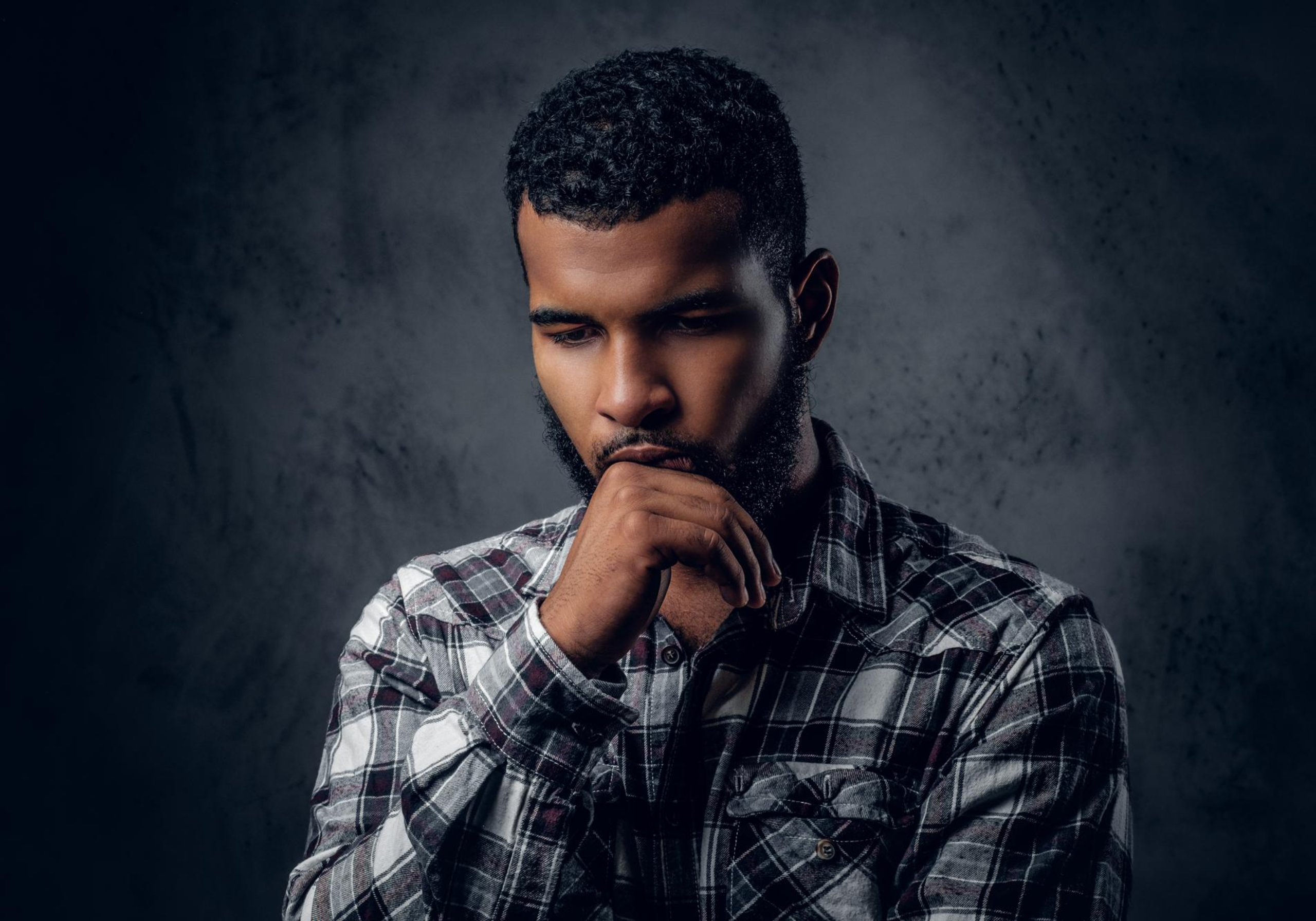
To understand Why Male Actors Hide Their Mental Health Struggles, we need to understand that there is a version of success that looks quite perfect from the outside. A film releases, the numbers are good, the interviews are polished, and the actor says all the right things with a smile that looks practiced but reads as effortless. What doesn’t make it into the press tour is what happens before the cameras roll.
The anxiety that shows up at 3 AM. The pressure that has no clean name. The creeping sense that if anyone actually knew how heavy this felt, the phone might stop ringing. Why male actors hide their mental health struggles is a question the film industry has been quietly avoiding for decades. The answer is uncomfortable because it implicates all of us: the audiences who demand invincibility, the directors who reward it, and the culture that built the whole thing in the first place.
The Pressure to Appear Strong
Indian cinema, from Bollywood to regional industries, has spent decades building a very specific idea of what a male actor should look and feel like.
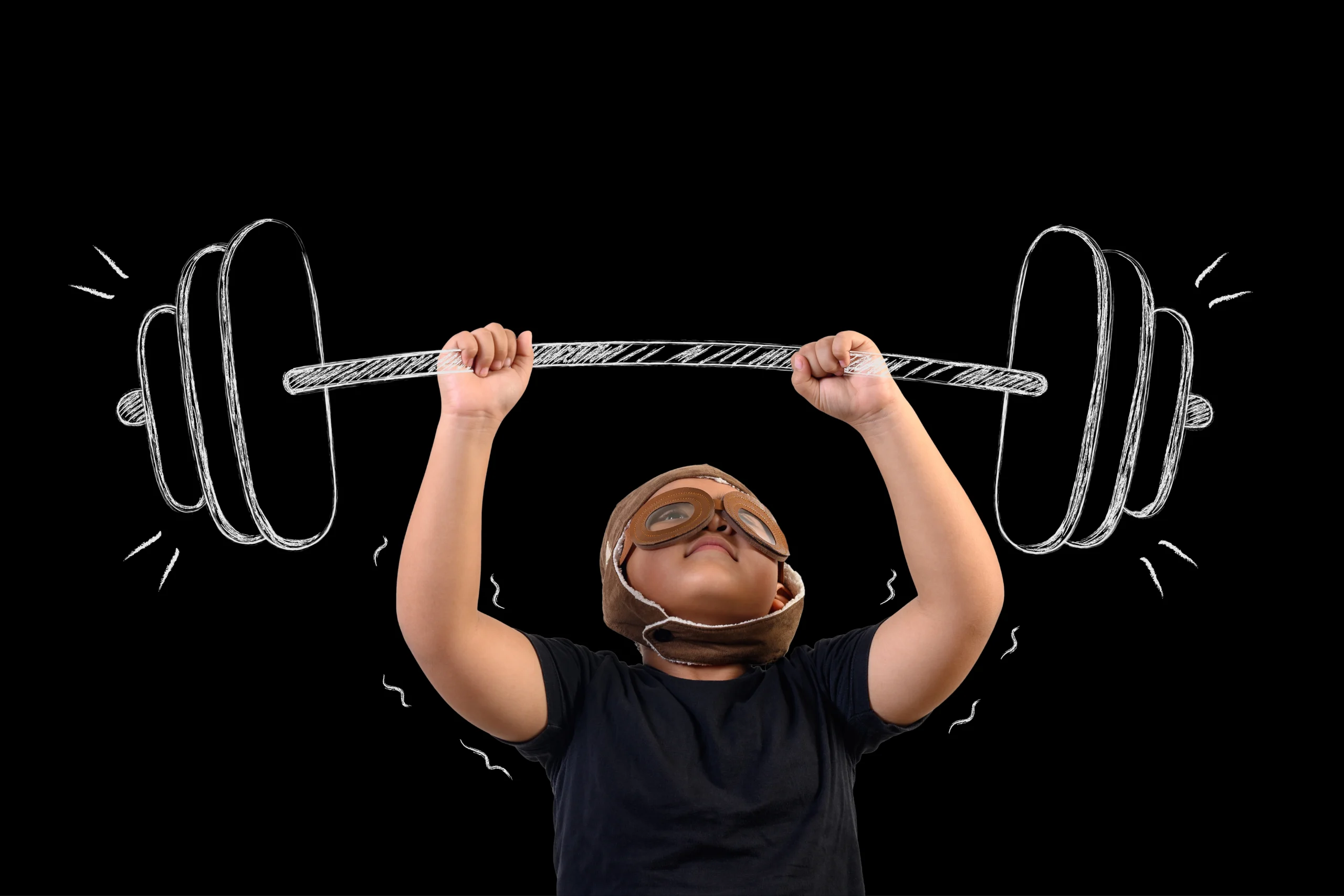
“Mard ko dard nahi hota,” a man does not feel pain. That dialogue from a 1985 Hindi film wasn’t just entertainment. It was a lesson absorbed by a generation of boys who later grew into men working in an industry that still rewards that same stoicism. The male hero template asks for strength, control, and an almost supernatural ability to handle pressure without cracking. This extends beyond the characters these actors play. It bleeds into how they are expected to present themselves in interviews, on social media, and in professional relationships. The persona becomes the prison. And why male actors hide their mental health struggles becomes less of a mystery once you understand just how thoroughly this persona is rewarded and how quickly its absence is noticed.
According to the Indian Centre for Medical Research, one in seven men in India is affected by a mental health disorder. The acting profession amplifies every risk factor: public scrutiny, financial instability, unpredictable schedules, identity tied entirely to external validation, and a culture that has historically treated vulnerability as weakness.
Common Reasons Male Actors Stay Silent
Understanding why male actors hide their mental health struggles requires looking at the specific, overlapping pressures that keep them quiet. These are not abstract forces. They are concrete, daily realities.
Fear of Being Seen as “Less of a Man”
Masculinity norms in Indian culture run deep, and the film industry is not insulated from them. It often amplifies them. Male actors are surrounded by a discourse that ties their worth to toughness. Admitting to anxiety, depression, or emotional exhaustion can feel like it undermines the very identity they have been rewarded for performing. This fear is not irrational. It is a rational reading of an environment that has consistently punished emotional openness in men while celebrating stoicism. The saying, “Mard ko dard nahi hota” didn’t just describe characters, it suggested behaviour for an entire generation.
Worry That Vulnerability Will Cost Roles
The film industry runs on perception. Producers, directors, and casting agents make decisions based on confidence in an actor’s ability to deliver under pressure. A male actor who publicly discusses struggling with anxiety or depression risks being perceived as unreliable, unstable, or difficult to work with. This is a professional fear with real financial consequences. It is one of the most practical reasons why male actors hide their mental health struggles and why so many only speak about it retrospectively, after a career is already established enough to survive the disclosure.
Industry Culture Rewarding Toughness
Bollywood has a long history of celebrating heroes who absorb punishment without flinching. From Amitabh Bachchan’s angry young man of the 1970s to the most recent archetype of the brooding, unbreakable hero, the industry has consistently packaged emotional suppression as desirable male quality. Research on toxic masculinity in Hindi cinema notes that this conditioning shapes characters on screen and the real behavior of people working within the industry simultaneously. When toughness is the currency, vulnerability becomes a liability.

Lack of Safe Spaces to Talk Openly
Even when a male actor wants to speak about what he is going through, the infrastructure to do so safely often doesn’t exist. There are no anonymous peer support systems in most film industries. Therapy remains stigmatized in many professional circles. Talking to co-workers carries the risk of gossip. Talking to journalists invites speculation. The circle of truly safe people to confide in becomes very small, very quickly. For actors who are already isolated by the nature of their profession, this lack of safe spaces becomes one of the quietest but most significant reasons why male actors hide their mental health struggles.
All these contribute to the fact of Why Male Actors Hide Their Mental Health Struggles.
What I’ve Observed in the Marathi Film Industry
The Marathi film industry has its own version of this silence, and in some ways it is more acute because the industry itself is smaller and more tightly networked. Everybody knows everybody, word travels faster, and the stakes of disclosure feel higher because there are fewer opportunities to recover from a shift in perception.
What you observe in Marathi cinema is a generation of extremely talented actors carrying an unspoken weight. The pressure to sustain careers in a competitive, resource-limited industry sits alongside the expectation of visible strength. Many actors from the Marathi industry go years between significant roles. The financial uncertainty alone is a significant mental health stressor, and it rarely gets discussed openly because discussing it would mean admitting vulnerability in a space where confidence is expected to be a constant.
There are also fewer formal support structures. A big Bollywood production might have a wellness consultant or a structured shooting schedule. Smaller Marathi productions often run on tight margins, quick turnarounds, and the unspoken understanding that complaining is not an option. This culture doesn’t make mental health struggles disappear. It makes them invisible.
What is beginning to change, slowly, is the conversation happening in smaller pockets. Some Marathi actors have begun speaking more honestly in long-form interviews and podcasts, where the format allows for nuance. These conversations are cautious, but they are happening. And every one of them creates a little more room for the next one
Why This Needs to Change
The cost of this silence is not abstract. Male actors who cannot access mental health support are more vulnerable to burnout, substance use, and in the most severe cases, complete psychological breakdown.
The film industry has the power to shift cultural norms on a massive scale. It has done so before on questions of representation and identity. When male actors speak openly about their mental health struggles, they are doing something that extends far beyond their own careers. They are giving permission to every young man who watches them, works with them, or grows up wanting to be them. The reach of this influence is genuinely significant, and the cost of continuing to waste it is high.
Small Steps That Can Normalize the Conversation
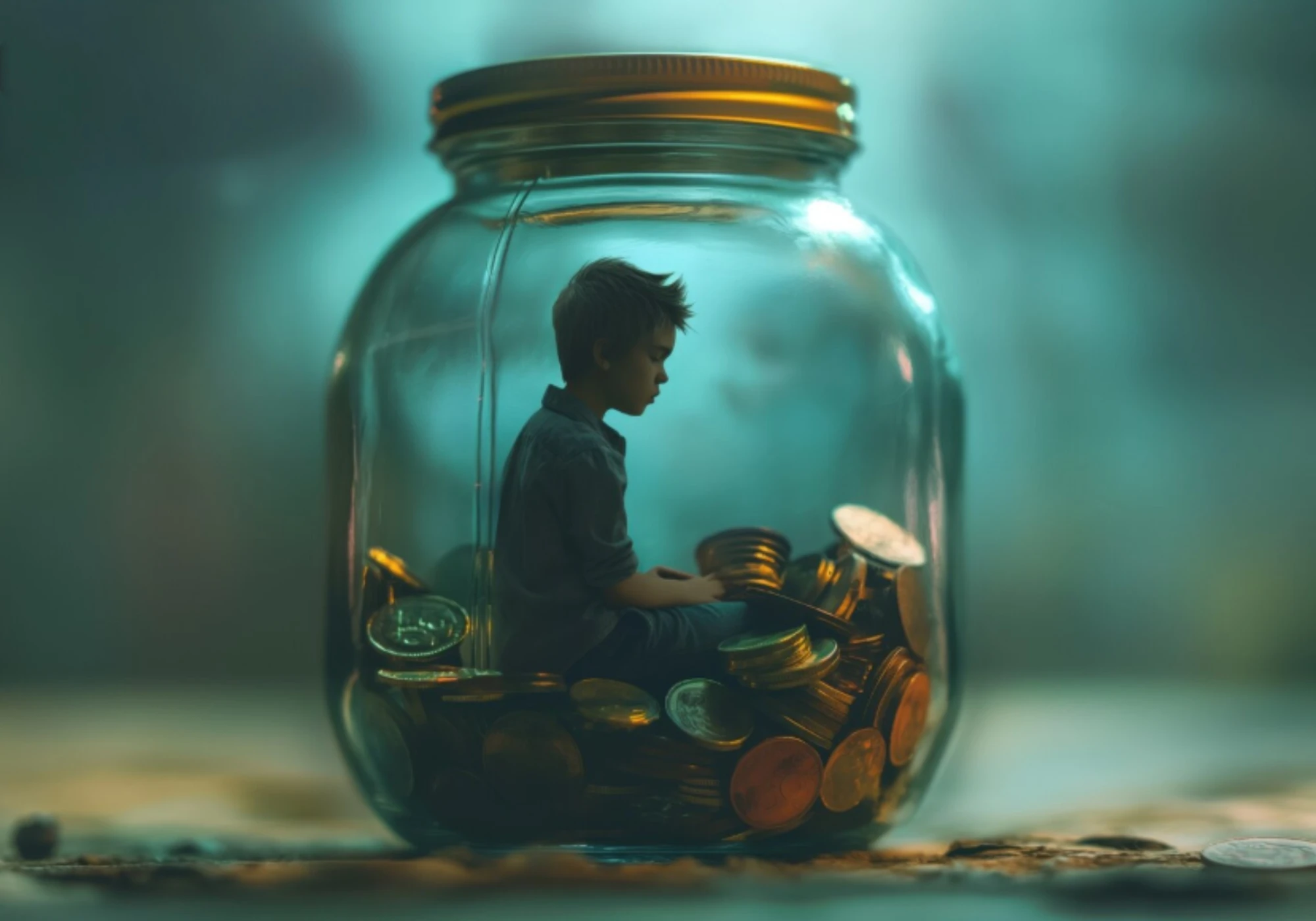
Changing the culture around why male actors hide their mental health struggles doesn’t require sweeping institutional transformation overnight. It begins with smaller, more consistent actions. It begins with smaller, more consistent actions.
Directors and producers can create working environments where checking in on team wellbeing is standard rather than exceptional. Actors can speak in interviews about the difficulty of the work, not just its glamour. Industry bodies can establish confidential peer support systems. Senior actors who have navigated mental health challenges can mentor younger ones explicitly, creating a visible chain of openness. Audiences can choose to respond to vulnerability with respect rather than speculation, signaling that the fear of public reaction that silences so many actors is based on an assumption that doesn’t hold.
Final Thoughts
Why male actors hide their mental health struggles is ultimately a question about what we have collectively decided strength looks like. We built an industry that rewards a very specific performance of invincibility, and we are now dealing with the consequences of that decision in the lives of real people doing real work.
The good news is that definitions can change. What audiences find compelling is shifting. Arjun Kapoor’s openness found a genuine, positive response. Conversations about mental health in the arts are happening in spaces where they simply didn’t exist ten years ago. The Marathi industry, like Bollywood, like every regional film culture in India, is full of actors who are ready to be honest if the environment makes honesty feel survivable.
Making it survivable is something the entire industry, and the audiences that support it, can choose to do. The camera doesn’t have to capture only the parts of a person that are unbroken. The full picture of Why Male Actors Hide Their Mental Health Struggles is more interesting anyway.
Along with “Why Male Actors Hide Their Mental Health Struggles”, you may also read: –

1 Comment
[…] You may also read: Why Male Actors Hide Their Mental Health Struggles […]