
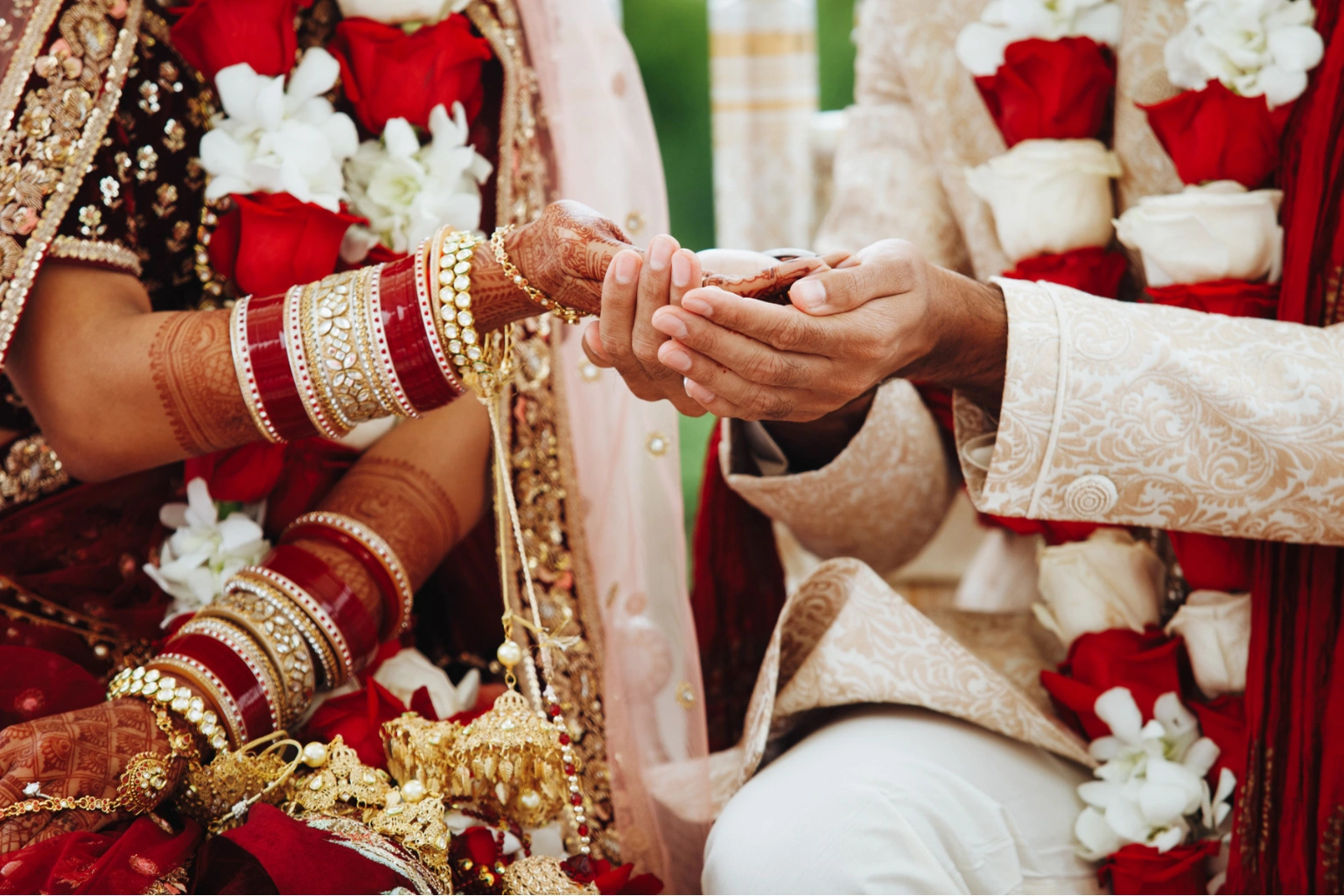
One of the biggest concerns is Does Marriage Still Exist?
There was a time in India when marriage did not need to be questioned. It existed the way air exists-unseen, unquestioned, and necessary. It was not merely a union between two individuals, but a continuum of family, tradition, and time itself. One did not ask why one married; one simply did
The law, through frameworks like the Hindu Marriage Act, 1955 and the Special Marriage Act, 1954, gave marriage a formal structure. But its true authority lay elsewhere- in rituals repeated across generations, in the quiet weight of expectation, in the belief that a life remained incomplete without it. Marriage was less a choice and more a passage.
Yet something subtle, almost imperceptible, has shifted.
Today, marriage is no longer invisible. It has become visible precisely because it is being questioned. When an institution must justify itself, it has already begun to change. The modern individual stands at a distance from marriage, no longer absorbed within it, but observing it, asking what it offers, what it demands, and whether it is still necessary.
This distance has altered its meaning.
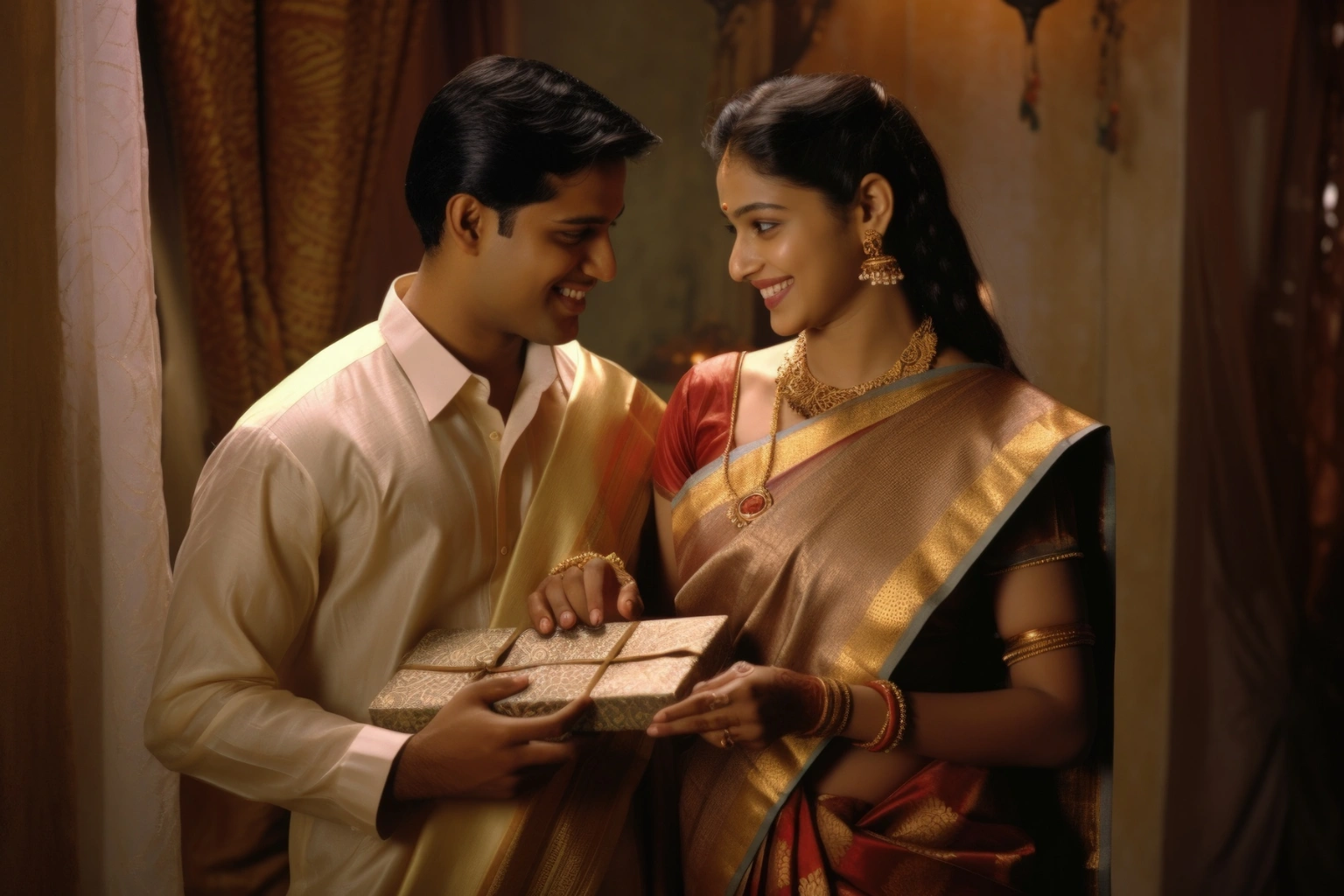
Marriage was once rooted in permanence. It promised continuity in a world that was otherwise uncertain. But contemporary life, shaped by mobility, independence, and self-definition, resists permanence. People change cities, careers, identities and increasingly, they expect relationships to accommodate that change. The idea of “forever” feels less like a promise and more like a question.
In this sense, marriage is no longer an unquestioned truth; it is becoming a negotiation.
The roles within it, once clearly defined, are dissolving into ambiguity. The provider and the caregiver, the authority and the nurturer- these distinctions are no longer fixed. What replaces them is not always clarity, but often uncertainty. Two individuals enter marriage not with predetermined roles, but with evolving expectations.
And in that evolution lies both possibility and friction.
At the same time, alternatives to marriage – live-in relationships, delayed commitments, or even conscious solitude – have begun to occupy the space it once monopolised. These are not merely lifestyle choices; they are philosophical statements. They suggest that intimacy does not necessarily require institutional validation, that companionship can exist without permanence, and that commitment may take forms we have not yet fully understood.
This raises a deeper question: if marriage is no longer necessary, can it still be meaningful? Perhaps the answer lies in recognising that marriage has shifted from being a social
necessity to a personal act of belief. Earlier, people married because society required it. Now, those who choose marriage do so despite having the option not to. In that sense, marriage, paradoxically, may become more authentic even as it becomes less universal.
But this authenticity comes at a cost. Without the support of unquestioned norms, marriage must now sustain itself on the strength of the individuals within it. It can no longer rely on inevitability; it must rely on intention.
So, does marriage still exist?
It does- but not in the way it once did. It exists not as a fixed institution, but as an evolving idea. It exists in the tension between tradition and autonomy, between permanence and change, between the desire for companionship and the fear of constraint.
The future generation may not inherit marriage as a given. They may encounter it as a possibility – one among many ways of organising love, commitment, and life. Some will choose it, others will not. And perhaps that is the most significant transformation of all.
Marriage is no longer something that simply is. It is something that must now be chosen, questioned, and continually redefined.
You can also read:- Beyond Marriage: The Rise of the Happily Unmarried