We all talk a lot about Elderly retirement plans, health checkups, diet, yoga, medicines, steps per day, but we don’t talk enough about what goes on in the mind, especially when it comes to Elderly single people.
By Elderly single, I don’t mean never married. I mean people who live alone - who may have lost their partners, separated from them, or those whose children live in other cities. People whose homes are quiet in most parts of the day.
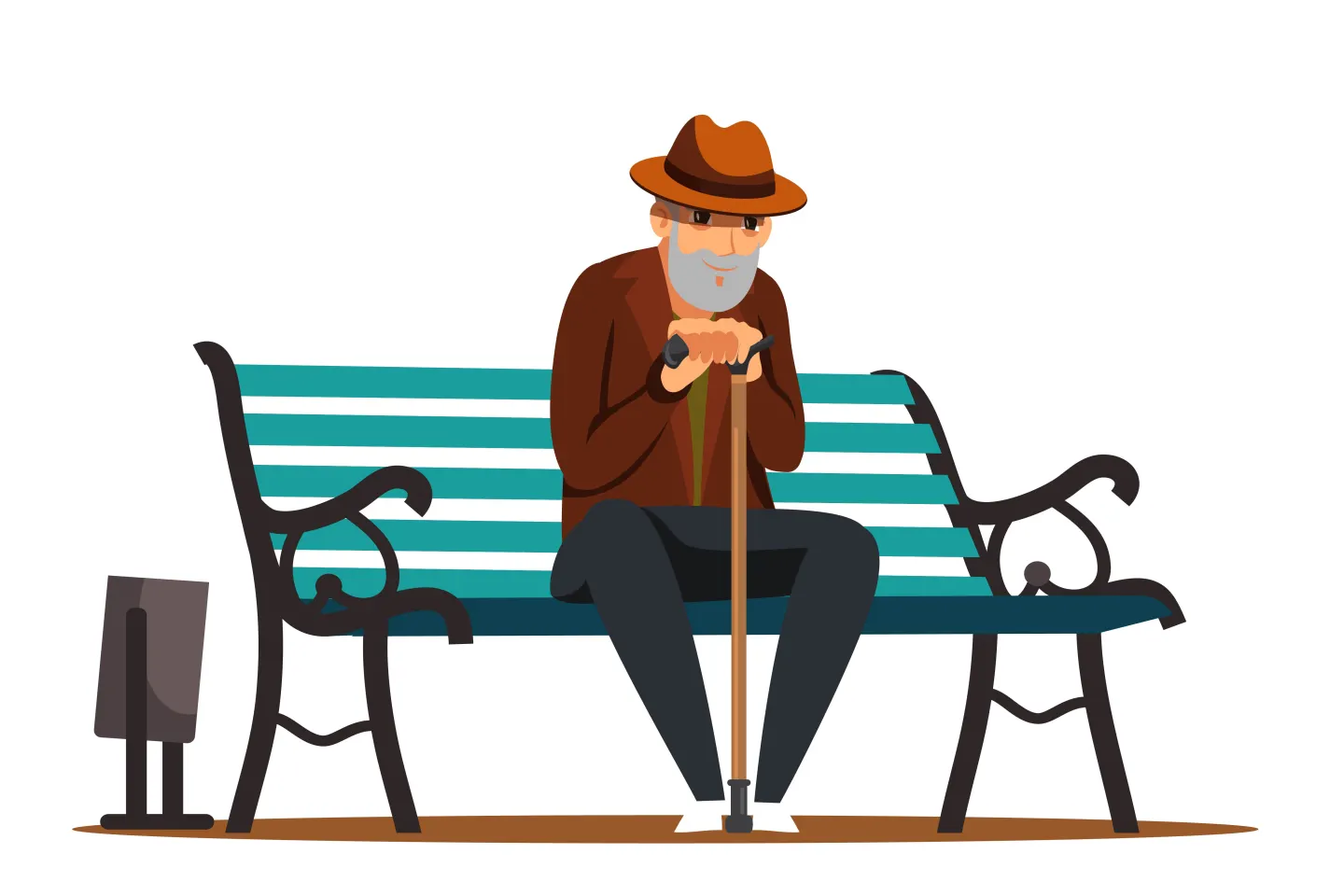
Loneliness at that stage doesn’t always look dramatic; it’s subtle. It reflects in the quiet moments of having no one to casually tell how your day was, in the silence at the dinner table. It’s when festivals start feeling more exhausting than exciting. It’s watching your phone and hoping it rings.
I don’t think emotional needs disappear with age. If anything, they become more important when the rush of work life comes to an end, and your social circle starts shrinking. Conversations become fewer, and slowly, days start bleeding into each other.When we start seeing elderly people only as parents and grandparents – as the roles they play in our lives instead of individuals – we often start checking on their medicines but not on their feelings. And because of this, a lot of them don’t speak up. They don’t want to “burden” anyone, and they might assume their feelings are childish or invalid. But it’s not.
Mental health struggles among elderly single people are real – depression, anxiety, sleep issues, and even loss of purpose. And often these feelings are dismissed as part of aging, which makes it worse.
What helps? Honestly, simple things:
1. Regular conversations
2. Community groups
3. Hobbies
4. Morning walks with familiar faces
5. Learning something new
6. Even using a smartphone can rebuild independence and confidence