
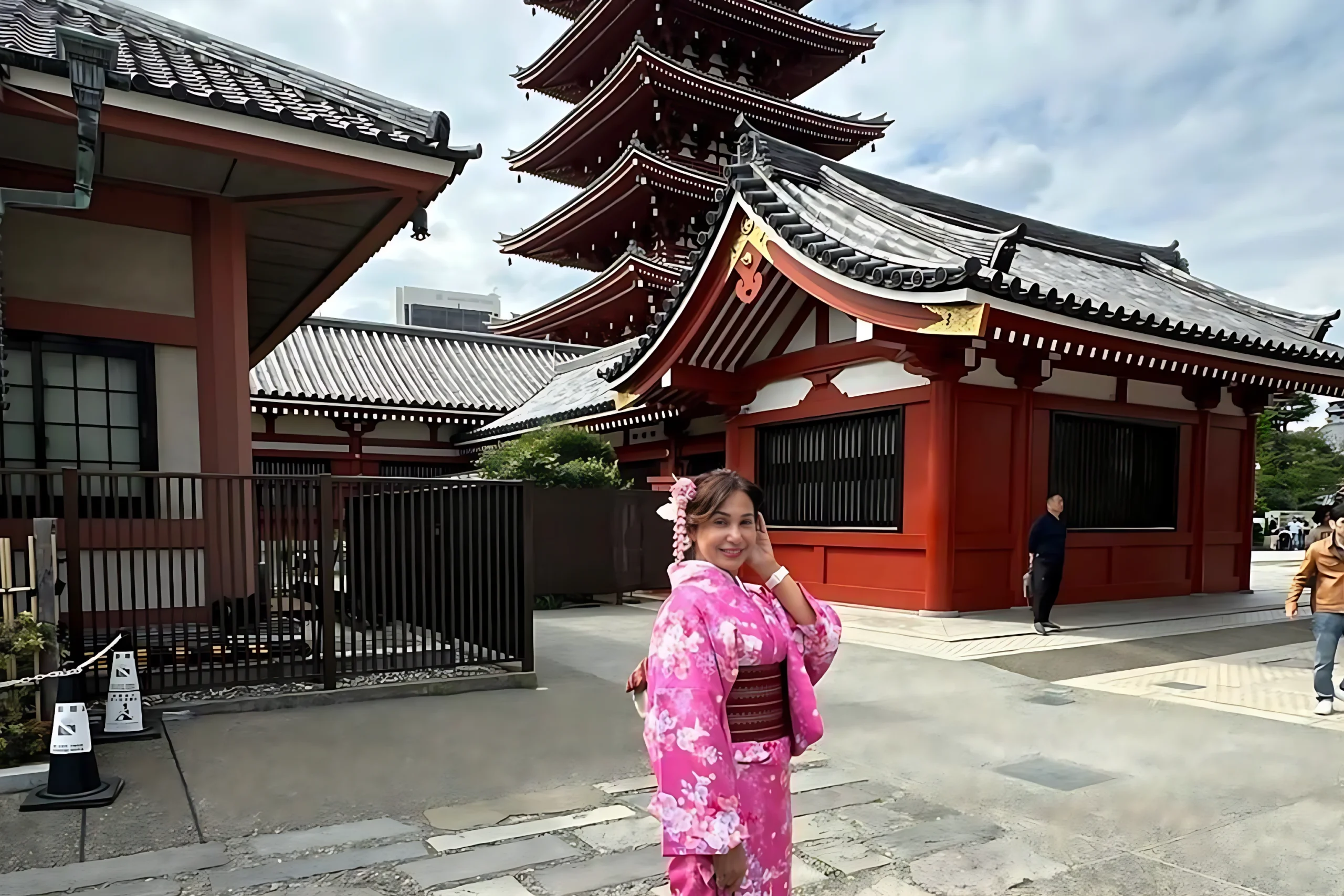
I had always heard about Tokyo, its spotless streets, its unmatched discipline, its almost surreal sense of order. Like many others, I assumed some of it might be exaggerated. Every global city has its myths, after all.
But after visiting Tokyo, I came back not just impressed but deeply reflective.
What struck me first was the cleanliness. Not the superficial kind maintained by constant visible cleaning, but something far more ingrained. Streets were immaculate, public spaces were respected, and even the busiest areas carried a sense of quiet order. What made it even more remarkable was the near absence of public trash bins. And yet, there was no litter.
It made me pause.
Cleanliness here was not enforced; it was practised. People carried their waste with them, disposed of it responsibly, and seemed to operate with an unspoken understanding: public spaces are shared spaces, and therefore, everyone is responsible for them.
Then there was the discipline.
At pedestrian crossings, people waited patiently – even when the roads were empty.
Queues formed naturally, without barriers or supervision. Public transport ran with astonishing precision, and commuters moved with a rhythm that felt almost choreographed. There was no chaos, no rushing, no pushing. Just a collective respect for time, space, and each other.
What stood out was that this discipline did not feel restrictive. It felt respectful.
There was a sense that rules were not imposed from above but accepted from within. People followed them not out of fear of penalty, but out of consideration for others. And that subtle difference changes everything.
As a visitor coming from a country like India, the contrast was hard to ignore. Back home, we often speak about the need for better infrastructure, stricter rules, or more enforcement. But Tokyo made me realise that the foundation of such a system lies elsewhere – in mindset.You can build systems, but without shared responsibility, they struggle to sustain. In Tokyo, even the smallest actions reflected awareness. Eating while walking was rare. Public spaces were used mindfully. Noise levels were controlled – not by regulation, but by habit. It was as if the city functioned on a collective agreement: to not
inconvenience others.
And that, perhaps, is the real lesson.
Cleanliness and discipline are not outcomes of wealth or development alone. They are outcomes of values practised consistently by ordinary people. They are habits, reinforced over time, passed from one generation to the next.
Of course, no society is perfect, and Tokyo too has its complexities beneath the surface. But what it demonstrates, undeniably, is what is possible when civic sense becomes second nature.
As I returned, I found myself thinking – not about how different Tokyo is, but about what we can learn.
Change does not always require sweeping reforms. Sometimes, it begins with small shifts: respecting queues, not littering, and being mindful of shared spaces. Individually, these actions seem insignificant. Collectively, they define a culture. Tokyo does not just impress you. It challenges you.
It quietly asks: what kind of society do we want to be – and what are we willing to do, personally, to get there?

1 Comment
Excellent writing ……now I feel …once I should visit Tokyo..